A Shift in Perspective
Trying something new can feel both exciting and uncertain at the same time. When we sit down at the worktable with familiar tools, we usually know what to expect and how to guide the outcome. Our hands move automatically, and the process feels comfortable, even predictable. A new medium interrupts that ease. It removes the sense of control and asks us to slow down, pay attention, and adapt to something unfamiliar.
Colors behave differently, lines look strange, and techniques that once felt effortless may suddenly feel out of reach. The material may resist, surprise, or respond in ways we didn’t anticipate. This can be frustrating at first, especially when we’re used to ease. Yet that discomfort is often a sign that we are learning something new.
Here at the worktable, we experiment with unfamiliar materials. This can shift how we see and how we make. It encourages curiosity over performance and observation over perfection. Working in a new way can refresh your perspective, loosen rigid expectations, and open the door to ideas that would not have appeared otherwise. Creativity is not about mastering every tool, but about remaining willing to explore.
Worktable Small Spark
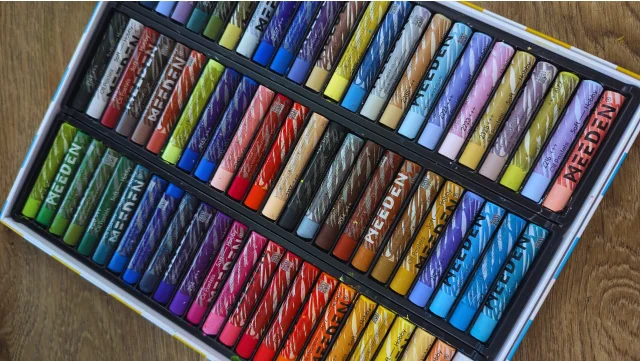
This week at The Worktable we’re experimenting with a new medium and seeing what happens. Just like last week, we are keeping things simple and low pressure. This is about playing, trying something unfamiliar, and noticing what the material does.
It also doesn’t need to be an expensive exercise. Trying a new medium does not have to mean buying new supplies. A crayon, colored pencil, single marker, or anything you already have, but don’t use regularly will work perfectly. There is no right outcome here, only exploration.
This week’s prompt is:
Use a material or tool you do not normally work with to create a small study.
This is not about making a finished piece. It’s simply a chance to explore how something unfamiliar behaves in your hands. Pay attention to how it moves, how it marks the page, and what kinds of textures or shapes it naturally creates.
Keep the study small and manageable. Think of it as a test page rather than a project. You might experiment with simple marks, a tiny composition, or a quick sketch of something nearby. The goal is to spend a short amount of time exploring without worrying about the outcome.
Examples of new materials or tools you could try:
- A different type of paint than you usually use
- A new drawing tool such as a brush pen, charcoal, or gel pen
- An unfamiliar surface like toned paper, cardboard, or watercolor paper
- A craft material such as collage paper, clay, or pastels
- Everyday items like crayons, highlighters, or even a ballpoint pen
If you are unsure what to choose, pick the most accessible option you already have. Curiosity matters more than novelty.
Ways to Approach
- Keep It Simple:
Test marks, strokes, and textures. - Add a Twist:
Recreate last week’s marks using this medium. - Stretch It:
Create a small motif or mini composition.
From My Sketchbook
For this week’s prompt, I decided to pull out a set of oil pastels. They’re not something I use often, and that was exactly the point. I wanted to sit down with a material that felt a little unfamiliar and let myself respond to it without worrying too much about making something polished.
At first, I felt that awkwardness that often comes with trying something new. The pastels felt thicker and messier than the tools I usually reach for, and it took a minute to adjust to how they moved across the page. But once I stopped trying to control them so much, I started to enjoy what made them different. The color went down so richly, the marks had a softness to them, and the layering created texture in a way that felt playful and immediate.
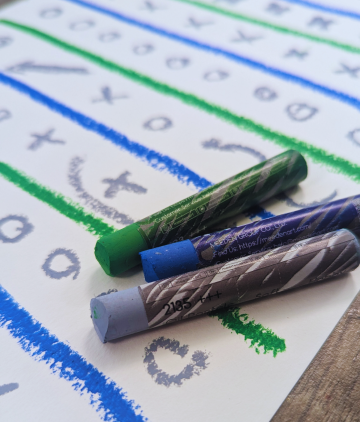
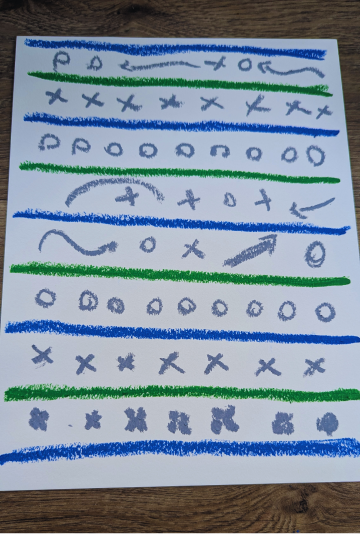
What I liked most about the exercise was how it shifted my attention. Instead of thinking about making something finished or refined, I found myself simply observing. How does this feel? What happens if I press harder? What kind of mark does this make? Can I make a flower? (spoiler: no) It reminded me that creativity does not always need to be neat or certain to be worthwhile. Sometimes just giving yourself permission to explore is enough to open something up.
Why This Helps
Trying a new medium can shake us out of familiar habits and help us see our work with fresh eyes. When we don’t already know how something will behave, we’re forced to slow down, pay attention, and respond to what is happening rather than what we expected to happen. That kind of experimentation builds flexibility and confidence over time. Even if the result feels awkward or unfinished, the experience expands your creative range and keeps practice from becoming stagnant. Sometimes a small shift in materials is enough to spark new ideas that would not have appeared otherwise.
Until Next Week
Your efforts in this exercise are valid no matter the outcome. Remember if you do this exercise make sure to share your progress and tag me on social media. If you haven’t checked out last week blog, make sure to do that, and I will meet you at The Worktable next week.
♥️ Kelly
Leave a Reply