Looking Beyond the Object
It’s easy to move through the day noticing only what something is. A tree, a sidewalk, a rock, a piece of fabric. We recognize the object and move on without giving it much more attention.
But when we slow down and look a little closer, something else begins to appear. Surfaces that once felt ordinary start to reveal patterns, textures, and small variations that are easy to overlook. Rough edges, soft transitions, repeated marks, and subtle shifts in tone all become more visible when we take the time to notice them.
I’ve found that once I start paying attention to texture, it becomes hard to ignore. The grain in wood, the cracks in pavement, the skin of a pumpkin. These details are everywhere, quietly offering inspiration.
At the worktable, this kind of observation can shift the way we create. Instead of trying to come up with something new, we can begin by responding to what is already in front of us.

Worktable Small Spark
This week is about shifting how you see rather than what you make. Instead of focusing on the object itself, take a moment to notice the surface. Look for the small details that give it character, the roughness, the softness, the repetition, and the irregular marks that might otherwise go unnoticed.
You do not need to search far. Texture exists all around you, in natural materials and everyday surfaces alike. The goal is simply to pause, observe, and translate what you see into marks on the page, if you would prefer to photograph or scan your item you are welcome to do that as well. If you draw let the process stay loose and exploratory, allowing the texture to guide your hand rather than trying to control the outcome.
Prompt: Find a texture and translate it into marks, a photo or a scan.
Ways to Approach:
Keep It Simple: Draw, Photograph, or Scan 1 Texture
Add a Twist: Use a soft medium and lightly rub it on the page to pick up the texture.
Stretch It: Vectorize your textures
From My Sketchbook:
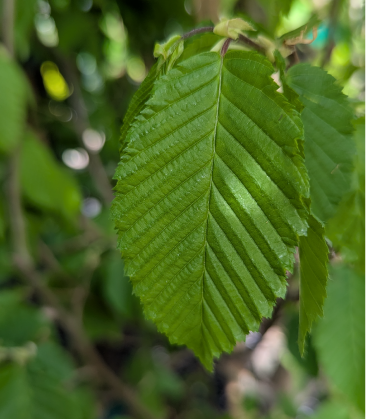
For this worktable prompt, I started by photographing a few simple textures around me. Some were natural, like bark and leaves, while others came from everyday surfaces, like fabric, paper, and worn edges. I was less interested in the object itself and more interested in the marks it created. I looked for lines, speckles, cracks, and soft uneven areas that could later become backgrounds, blenders, or small details within a larger design. The accordion texture on this leaf caught my eye and was almost used in this prompt.
However, the photo I chose to use was a honeysuckle bloom from my backyard. The photo itself was a little bit blurry, and at first I wasn’t sure if it would be useful, but I decided to vectorize it anyways. Instead of focusing on the flower as a flower, I looked at the shapes, contrast, and movement within the image.
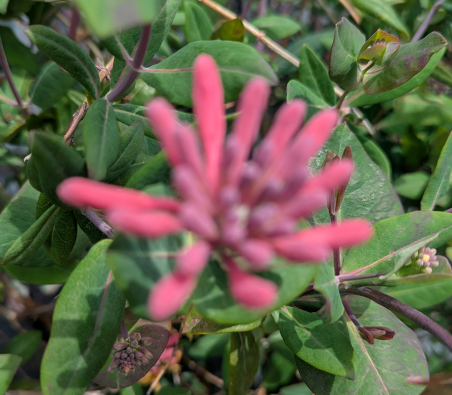
Image Trace
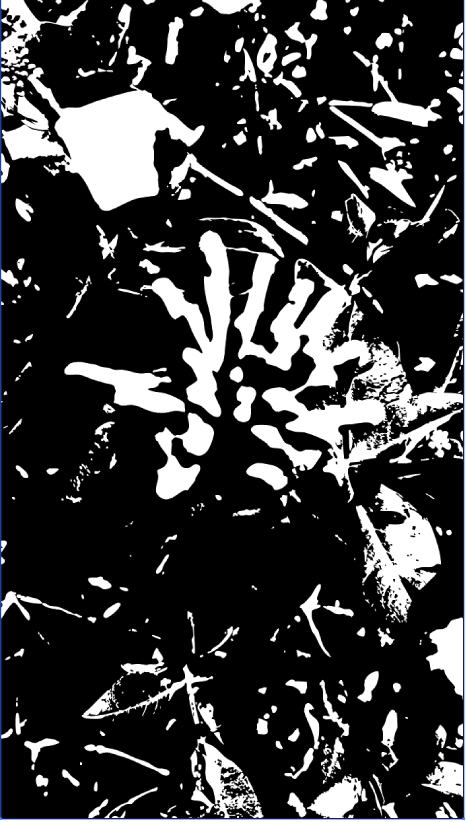
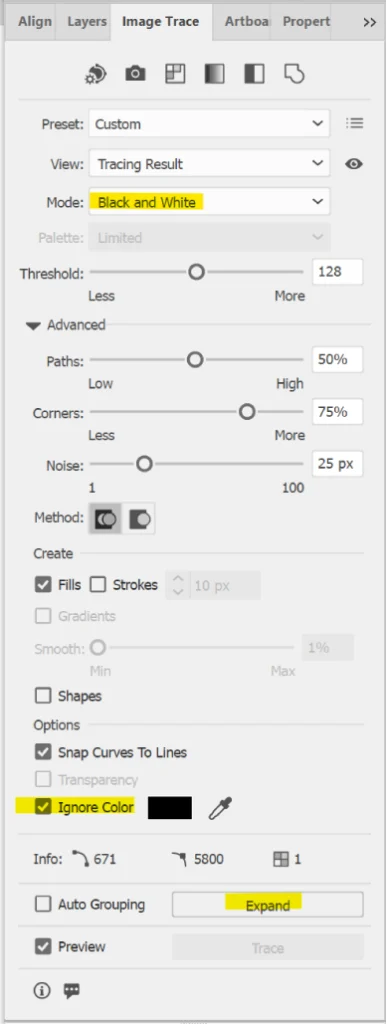
I brought the photo into Illustrator and used Image Trace to turn it into a black and white vector image. I used the logo preset as a starting point, then adjusted the settings until the shapes felt interesting. The result was bold and imperfect, with rough edges and unexpected little details that came from the original blur and texture of the photo.
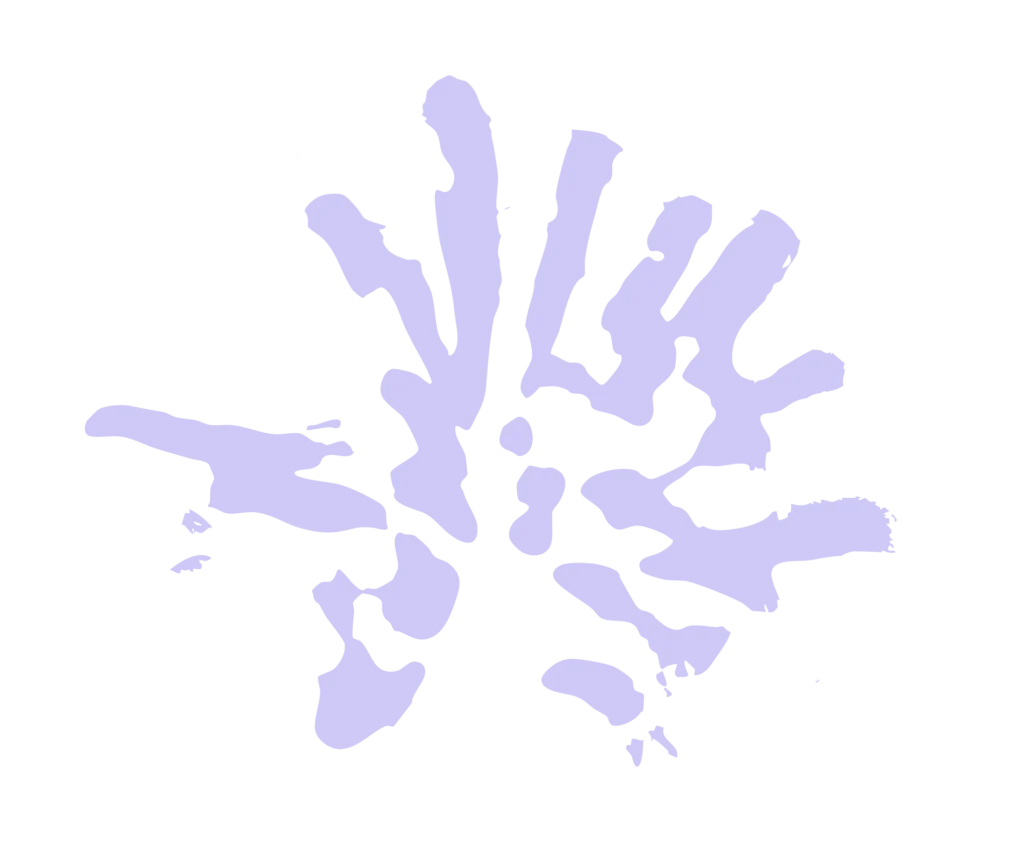
After tracing the image, I isolated just the bloom portion. Once it was separated from the rest of the image, it started to feel less like a specific honeysuckle and more like an abstract mark. I liked that shift. It became something I could repeat, rotate, and recolor without needing it to read as a realistic flower.
Pattern Creation
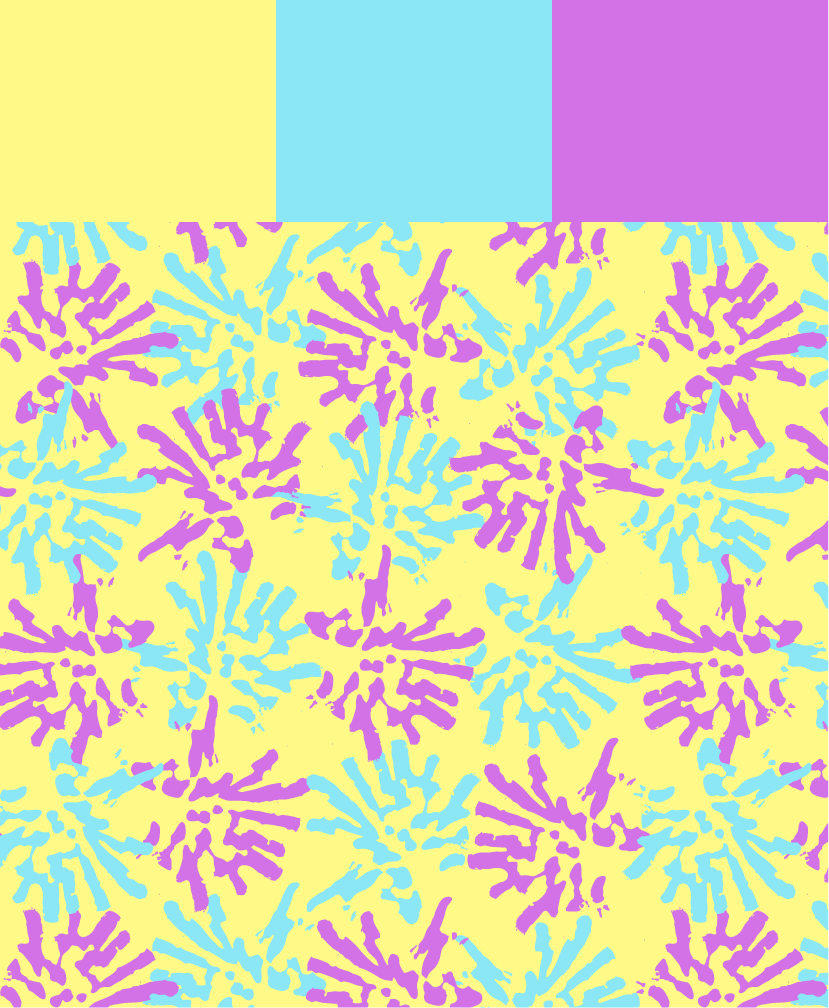
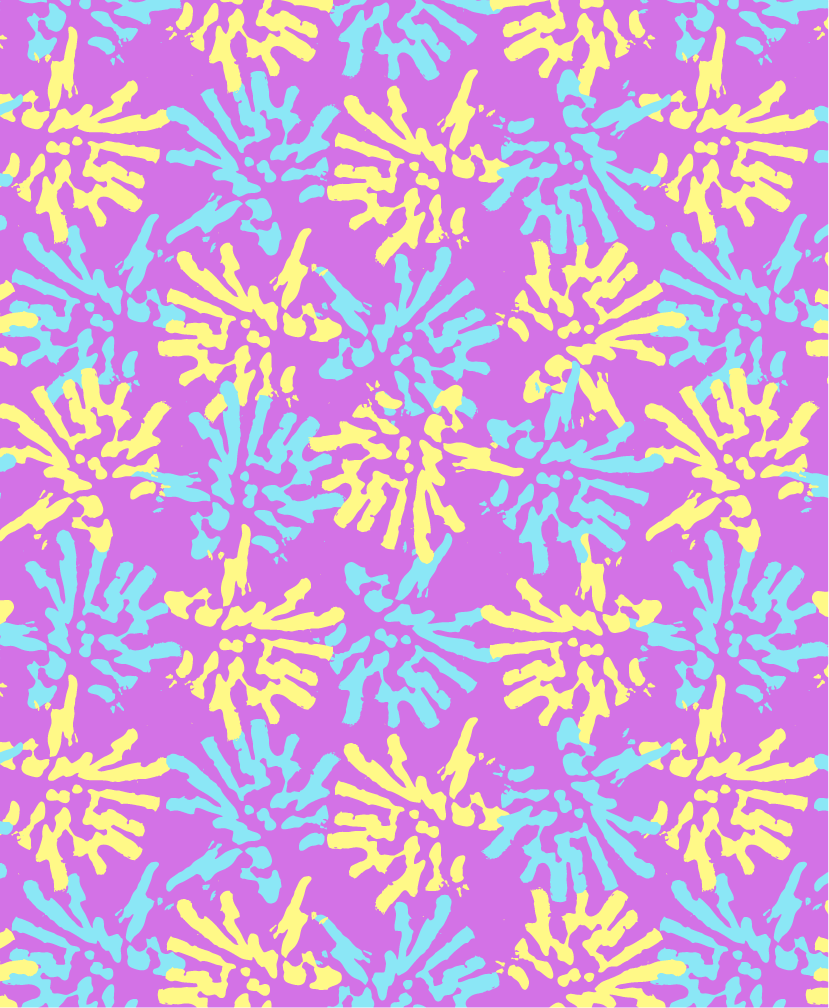
From there, I used the bloom shape to create a repeating pattern. I tested it with some bright colors and let the imperfect edges stay visible. The final pattern felt playful and energetic, but it still began with something very simple: a blurry photo of a plant in my backyard.
Why This Helps:
When we focus on texture, we begin to see beyond the object itself. Instead of thinking about what something is, we start noticing how it looks and feels. This shift can open up a new way of observing, and start you down a new creative path.
Translating texture into marks also helps build a visual language. The lines, shapes, and patterns you create become something you can return to later, whether in drawing, painting, or pattern work. Over time, these small studies begin to form a collection of marks that feel natural and familiar to you. Texture can easily add dimension to any project you are working on.
This kind of practice can also remove some of the pressure to create something recognizable or finished, which is my main goal with The Worktable blog. Because the focus is on texture, there is more freedom to experiment and respond. What you create does not need to represent anything specific to be valuable. I enjoy collecting texture images that I can vectorize when I have a project I feel they will fit into.
This exercise was a good reminder that inspiration does not always need to come from a perfect reference image. Sometimes an imperfect photo, a small section of texture, or an overlooked detail can become the starting point for something completely new.
Spending time with texture encourages you to slow down, look closely, and find inspiration in places you might normally overlook. And often, those small details are where the most interesting ideas begin.
Until Next Week:
A common theme throughout this series is slowing down and taking time to observe, and there’s a reason for that. Life can feel like a whirlwind, and the endless time we once felt as children can seem far away. It becomes easy to move quickly from one thing to the next, trying to make the most of every moment without ever really pausing.
By slowing down, we give ourselves space to reflect, observe, and notice what’s already around us. Small details begin to stand out, and inspiration becomes easier to find when we’re not rushing past it.
This week, take a moment to look a little closer. You may be surprised by what you start to see.
If you try this exercise, I would love to see what you create so we can celebrate those small discoveries together. If you missed last weeks blog, make sure to check it out and I will meet you back at The Worktable next week.
♥️ Kelly
Leave a Reply